
Herbalife Ideal Breakfast
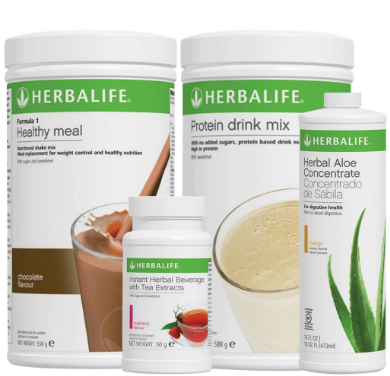
A great Herbalife-based breakfast can be both nutritious and convenient, providing a good mix of protein, healthy fats, and fibre to fuel your day. Here's an idea for an ideal Herbalife breakfast:
Herbalife Protein Shake Breakfast
Herbalife Formula 1 Shake (your choice of flavour)
2 scoops of Herbalife Formula 1 Healthy Meal Nutritional Shake Mix
1 cup of unsweetened almond milk (or any milk of your choice)
1/2 banana or a handful of berries for added flavor and nutrients
1 tablespoon of almond butter or peanut butter (for healthy fats and protein)
Ice cubes (optional, for a colder, thicker shake)
Instructions:
Blend all the ingredients together until smooth. This gives you a quick, balanced breakfast that's rich in protein, vitamins, and minerals.
Add-ons:
Herbalife Protein Drink Mix (optional): If you want extra protein, add a scoop of this mix for a protein boost.
Fiber Boost: You can add a tablespoon of Herbalife Fiber and Herb or ground flaxseeds for added fiber to help with digestion.
Herbalife Aloe Concentrate: Consider drinking a small glass of Aloe Vera Concentrate for digestive health before or with your shake.
Side Option:
Healthy Fat: Pair your shake with a small handful of nuts, such as almonds or walnuts, or a slice of avocado on whole-grain toast for a more filling, balanced meal.
This combination provides you with a healthy, balanced start to your day and is quick to prepare. Would you like to know more about Herbalife's products or other breakfast options?
You said:
What your body needs for a balanced diet
ChatGPT said:
A balanced diet is essential for maintaining good health, providing the body with the nutrients it needs to function properly. The main components of a balanced diet include:
1. Macronutrients
These are the nutrients that provide energy and are needed in large amounts:
Carbohydrates:
Source of energy for the body and brain.
Found in foods like whole grains (brown rice, oats, quinoa), fruits, vegetables, legumes, and starchy vegetables (sweet potatoes, corn).
Proteins:
Important for building and repairing tissues, as well as making enzymes and hormones.
Found in animal products like meat, fish, eggs, dairy, and plant-based sources like beans, lentils, tofu, and quinoa.
Fats:
Provide energy, support cell function, and help absorb fat-soluble vitamins (A, D, E, K).
Healthy fats are found in avocados, olive oil, nuts, seeds, and fatty fish (like salmon and mackerel).
2. Micronutrients
These are nutrients needed in smaller amounts but are essential for maintaining overall health:
Vitamins:
Vitamin A: Important for vision, skin, and immune function (found in carrots, sweet potatoes, spinach).
Vitamin C: Supports the immune system and skin health (found in citrus fruits, bell peppers, and strawberries).
Vitamin D: Vital for bone health and immune function (found in sunlight exposure, fortified foods, and fatty fish).
Vitamin B-complex: Helps with energy production and metabolism (found in whole grains, leafy greens, eggs, and legumes).
Minerals:
Calcium: Necessary for bone and teeth health (found in dairy, fortified plant milks, leafy greens, and tofu).
Iron: Essential for oxygen transport in the blood (found in red meat, spinach, lentils, and fortified cereals).
Magnesium: Supports muscle and nerve function (found in nuts, seeds, whole grains, and leafy greens).
3. Water
Water is essential for hydration and proper body function. It helps transport nutrients, regulate temperature, and remove waste. Aim for 8 glasses (about 2 liters) a day, but individual needs vary depending on activity levels, climate, and health conditions.
4. Fiber
Important for digestive health and to help maintain a healthy weight.
Found in whole grains, fruits, vegetables, legumes, nuts, and seeds.
5. Phytochemicals & Antioxidants
These are natural compounds found in plants that support immune function and protect the body against oxidative stress.
Found in colorful fruits and vegetables, such as berries, leafy greens, tomatoes, and cruciferous vegetables like broccoli.
General Guidelines for a Balanced Diet:
Variety: Include a wide range of foods from different food groups to ensure you're getting all the essential nutrients.
Moderation: Consume foods in appropriate portions and avoid excessive amounts of any one food, especially processed foods, sugars, and unhealthy fats.
Proportion: A balanced meal typically includes:
Half of your plate with vegetables or fruits.
A quarter of your plate with lean protein (meat, fish, legumes, etc.).
A quarter of your plate with whole grains or starchy vegetables.
Foods to Limit:
Refined sugars: Minimize sugary drinks, candies, and pastries.
Processed foods: High in unhealthy fats, salt, and additives.
Excessive salt: Choose fresh or minimally processed foods and limit salt use.
Would you like suggestions for meal planning or tips on how to incorporate these nutrients into your daily routine?
You said:
Exercise is important for a healthy lifestyle
ChatGPT said:
Absolutely! Exercise is a cornerstone of a healthy lifestyle and provides a wide range of physical, mental, and emotional benefits. Regular physical activity is not only important for maintaining a healthy weight, but it also plays a significant role in preventing chronic diseases, boosting mental health, and improving overall well-being.
Benefits of Exercise for a Healthy Lifestyle:
1. Physical Health Benefits
Heart Health: Regular exercise strengthens the heart, improves circulation, and lowers the risk of heart disease, high blood pressure, and stroke.
Weight Management: Exercise helps burn calories and increases metabolism, which supports healthy weight loss and maintenance.
Improved Muscle and Bone Health: Weight-bearing exercises like walking, running, or strength training increase bone density, reducing the risk of osteoporosis. It also helps build and maintain muscle mass.
Improved Lung Function: Cardiovascular activities such as running, swimming, or cycling can improve lung capacity and overall respiratory function.
Blood Sugar Regulation: Exercise helps regulate blood sugar levels, reducing the risk of type 2 diabetes.
Stronger Immune System: Regular moderate exercise boosts the immune system, helping to fend off infections and illnesses.
2. Mental Health Benefits
Stress Reduction: Physical activity triggers the release of endorphins, often referred to as "feel-good" hormones, which can reduce stress and anxiety levels.
Mood Improvement: Regular exercise can alleviate symptoms of depression and anxiety, improving your overall mood and mental clarity.
Better Sleep: Physical activity can help regulate your sleep patterns, leading to deeper and more restful sleep.
Cognitive Function: Exercise has been shown to improve memory, focus, and overall cognitive function, keeping the brain sharp as you age.
3. Social and Emotional Benefits
Social Interaction: Engaging in group fitness classes, sports, or outdoor activities can help you build connections and friendships, providing a sense of community and support.
Confidence Boost: As you get stronger and more fit, your body image and self-esteem often improve, helping you feel more confident in your own skin.
Sense of Accomplishment: Meeting exercise goals, whether it’s running a longer distance or lifting heavier weights, can provide a sense of achievement and motivation to keep going.
4. Improved Longevity
Studies consistently show that people who are physically active tend to live longer lives and experience a higher quality of life. Regular exercise reduces the risk of many age-related conditions, such as dementia, arthritis, and certain cancers.
How Much Exercise Do You Need?
The World Health Organization (WHO) and other health organizations recommend the following guidelines for adults:
At least 150 minutes of moderate-intensity aerobic activity (such as brisk walking, cycling, or swimming) per week or 75 minutes of vigorous-intensity aerobic activity (such as running, fast cycling, or intense cardio) spread throughout the week.
In addition, muscle-strengthening activities should be done at least two days a week (such as weight training, yoga, or bodyweight exercises).
Types of Exercise for a Healthy Lifestyle
Cardiovascular Exercise (Aerobic Exercise):
Examples: Walking, jogging, cycling, swimming, dancing, hiking, and playing sports.
Benefits: Improves heart health, boosts stamina, and aids in calorie burning.
Strength Training (Resistance Exercise):
Examples: Weightlifting, bodyweight exercises (squats, push-ups), resistance bands.
Benefits: Builds muscle mass, strengthens bones, and supports joint health.
Flexibility and Balance Exercises:
Examples: Yoga, Pilates, stretching routines, tai chi.
Benefits: Improves flexibility, reduces the risk of injury, promotes relaxation, and enhances balance.
High-Intensity Interval Training (HIIT):
This combines short bursts of intense exercise with periods of rest or low-intensity exercise. It's time-efficient and effective for burning calories, improving cardiovascular fitness, and boosting metabolism.
Tips for Staying Consistent with Exercise:
Set Realistic Goals: Start with small, achievable goals and gradually increase the intensity or duration of your workouts.
Make It Enjoyable: Choose activities you enjoy, so you’re more likely to stick with them. Whether it’s dancing, swimming, or cycling, find something that excites you.
Schedule It: Treat exercise like an important meeting and put it on your calendar. Consistency is key to long-term success.
Find a Workout Buddy: Exercising with a friend or family member can make it more fun and motivate you to stick to your routine.
Listen to Your Body: Don’t push yourself too hard, especially if you’re new to exercise. Gradually build up intensity to avoid injury.
Conclusion
Exercise is crucial for maintaining a healthy body and mind. It contributes to physical health, emotional well-being, and overall quality of life. By staying active and incorporating a variety of exercises into your routine, you can enjoy long-term health benefits and feel better both mentally and physically.